
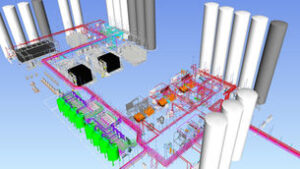
CRN Registration refers to the Canadian Registration Number system that ensures pressure equipment such as boilers, piping systems, and pressure vessels comply with safety standards before being used in specific provinces or territories. It is a mandatory regulatory requirement in Canada and plays a critical role in protecting both workers and industrial environments from potential hazards associated with pressurized systems. Without proper registration, equipment cannot legally operate, which makes compliance a top priority for engineering firms and manufacturers.
The process involves submitting engineering designs, calculations, and technical documentation to regulatory authorities for review and approval. This ensures that every component meets safety codes such as CSA B51. Companies working in industries like oil and gas, manufacturing, and power generation rely heavily on this process to maintain operational integrity. Firms like Little P.Eng. Engineering specialize in guiding clients through these complex requirements while ensuring design accuracy and compliance.
Why Industries Need CRN Approval
Industrial systems operate under high pressure and temperature conditions, making safety a non negotiable factor. CRN Registration helps verify that equipment has been designed, fabricated, and tested according to strict engineering standards. This approval process minimizes the risk of failure, accidents, and costly downtime, which can have serious consequences in heavy industries.
Another key reason for obtaining CRN approval is legal compliance. Each Canadian province has its own regulatory authority, and operating unregistered equipment can lead to penalties or shutdowns. By ensuring proper documentation and adherence to codes, companies not only protect their workforce but also enhance their credibility in the market. Engineering consultancies such as Little P.Eng. Engineering provide valuable expertise to streamline this approval process efficiently.
Key Components Involved in CRN Process
The CRN Registration process involves several technical components that must be carefully prepared and reviewed. Engineering drawings, material specifications, pressure calculations, and design reports are essential elements that regulators evaluate. Each document must clearly demonstrate that the equipment can safely withstand operational conditions without failure.
In addition to technical documentation, quality assurance and testing procedures also play a vital role. Regulatory bodies may require proof of inspections, welding qualifications, and non destructive testing results. These elements ensure that the equipment is not only well designed but also properly manufactured. Working with experienced engineering professionals can significantly improve the chances of approval and reduce delays in the process.
Step by Step Process of CRN Registration
The process of obtaining CRN Registration begins with preparing detailed engineering designs and supporting calculations. These documents are then submitted to the appropriate provincial authority for review. Each submission must comply with specific code requirements, which may vary depending on the equipment type and location.
Once submitted, regulators assess the documentation for accuracy and compliance. If any discrepancies are found, revisions are requested before approval is granted. After successful evaluation, a unique CRN number is issued, allowing the equipment to be legally used. This structured process ensures that only safe and reliable systems are approved for industrial operations.
Common Challenges in CRN Approval
One of the major challenges in CRN Registration is understanding the varying requirements across different provinces. Each jurisdiction may have unique submission guidelines, which can create confusion for companies operating in multiple regions. This often leads to delays and additional costs if not handled correctly.
Another challenge is ensuring that all technical documentation meets the required standards. Even minor errors in calculations or drawings can result in rejection. This is why many organizations rely on experienced consultants who specialize in pressure equipment design and compliance. Their expertise helps avoid common pitfalls and ensures a smoother approval process.
Role of Engineering Expertise in CRN Success
Engineering expertise plays a crucial role in achieving successful CRN Registration. Professionals with experience in pressure equipment design understand the complexities of regulatory requirements and can prepare accurate documentation that meets all standards. Their knowledge helps reduce errors and improves the efficiency of the submission process.
Companies like Little P.Eng. Engineering offer specialized services in piping design, stress analysis, and structural engineering, which are essential for CRN compliance. Their ability to analyze complex systems and optimize designs ensures that equipment not only meets regulatory requirements but also performs efficiently in real world conditions.
Legal and Regional Considerations
When dealing with CRN Registration, it is important to consider the legal framework governing pressure equipment in Canada. Each province has its own regulatory authority, and approvals are not automatically transferable between regions. This means that equipment may require separate registrations for different provinces.
Understanding these regional differences is essential for companies planning to operate across multiple locations. Compliance with local regulations ensures smooth operations and avoids legal complications. By staying informed about these requirements, businesses can plan their projects more effectively and avoid unnecessary delays.
Practical Tips for a Smooth CRN Process
Achieving successful CRN Registration requires careful planning and attention to detail. Companies should start by ensuring that all engineering designs are accurate and comply with relevant codes. Early engagement with regulatory authorities can also help clarify requirements and prevent misunderstandings.
- Ensure all calculations are verified and reviewed by qualified engineers
- Maintain clear and organized documentation for submission
- Work with experienced consultants to streamline the process
Additionally, conducting internal reviews before submission can significantly reduce the chances of rejection. Investing time in proper preparation ultimately saves both time and cost in the long run.
How CRN Impacts Industrial Safety and Efficiency
The importance of CRN Registration extends beyond compliance, as it directly impacts the safety and efficiency of industrial operations. Approved equipment is designed to handle operational stresses, reducing the risk of failure and ensuring consistent performance. This reliability is crucial for industries that depend on uninterrupted processes.
Moreover, CRN approval enhances overall system efficiency by ensuring optimal design and material selection. This leads to better performance, reduced maintenance costs, and longer equipment lifespan. Companies that prioritize compliance often experience improved operational outcomes and greater confidence in their systems.
Choosing the Right Engineering Partner
Selecting the right engineering partner is essential for navigating the complexities of CRN Registration. A qualified consultancy can provide end to end support, from design and analysis to documentation and submission. Their expertise ensures that every aspect of the process is handled professionally and efficiently.
To learn more about professional support for CRN Registration, visit and explore how industry experts can assist with your compliance needs. Partnering with experienced engineers not only simplifies the process but also ensures that your systems meet the highest safety standards.
Conclusion
In conclusion, CRN Registration is a vital requirement for industries dealing with pressure equipment in Canada. It ensures compliance with safety standards, protects workers, and enhances operational reliability. Understanding the process and preparing accurate documentation are key factors in achieving successful approval.
Businesses should invest in professional engineering support and stay informed about regional regulations to avoid delays and complications. By prioritizing compliance and working with experts, companies can ensure safe, efficient, and legally compliant operations. Taking the right approach today will lead to long term success and sustainability in industrial systems.